
Entry paths
Library + Streams
Four primary library paths for MDX briefs, plus Streams for ongoing audio and media — each maps to one surface; cross-links connect the graph.
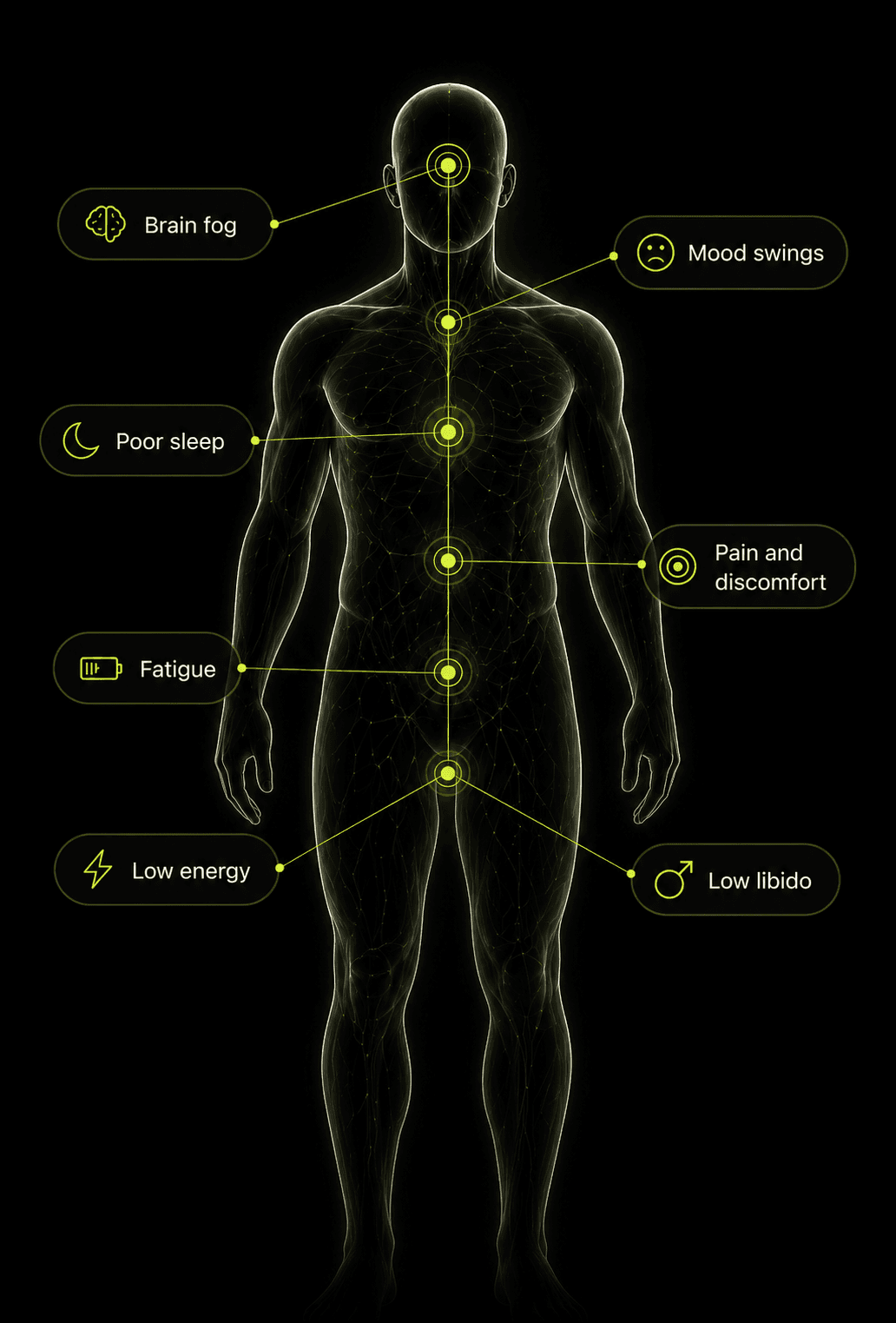
- Symptoms
From felt experience to system vocabulary — how complaints map to the Re:Formd model.
Open → - Systems
Sleep, stress, metabolism, recovery — the core lenses the product reasons over.
Open → - Topics
Framework and order: Baseline, Body Signals, entities, pathways, intake spine.
Open → - Perspectives
Trends, deep reads, and analysis — context without generic wellness noise.
Open → - Streams
Podcast and ongoing media — follow the system narrative between reads.
Open →
Streams
Podcast & ongoing media
Follow the arc in audio — same system vocabulary as the briefs. Open the Streams tab any time from Intelligence sub-nav.
Podcast and video
Featured episode
Latest from Built to Last
First episode publishes April 20. Subscribe on YouTube so you don't miss the drop.
Open YouTube channelRecent episodes
Thumbnails link out to YouTube — new entries appear here as they ship.
Latest insights
Signals we're watching
Placeholder cards for V1 — real feeds wire in later.
Signal: execution beats motivation
What we’re seeing from people who sustain change — small loops, clear proof.
Signal: context changes the prescription
Same symptom, different drivers — why personalization isn’t optional.
Signal: wearables are inputs, not answers
Data density is up; clarity is still the bottleneck we’re designing for.
Featured / latest
From the library
Every tile shows its path tag — cross-links inside articles keep the graph coherent.

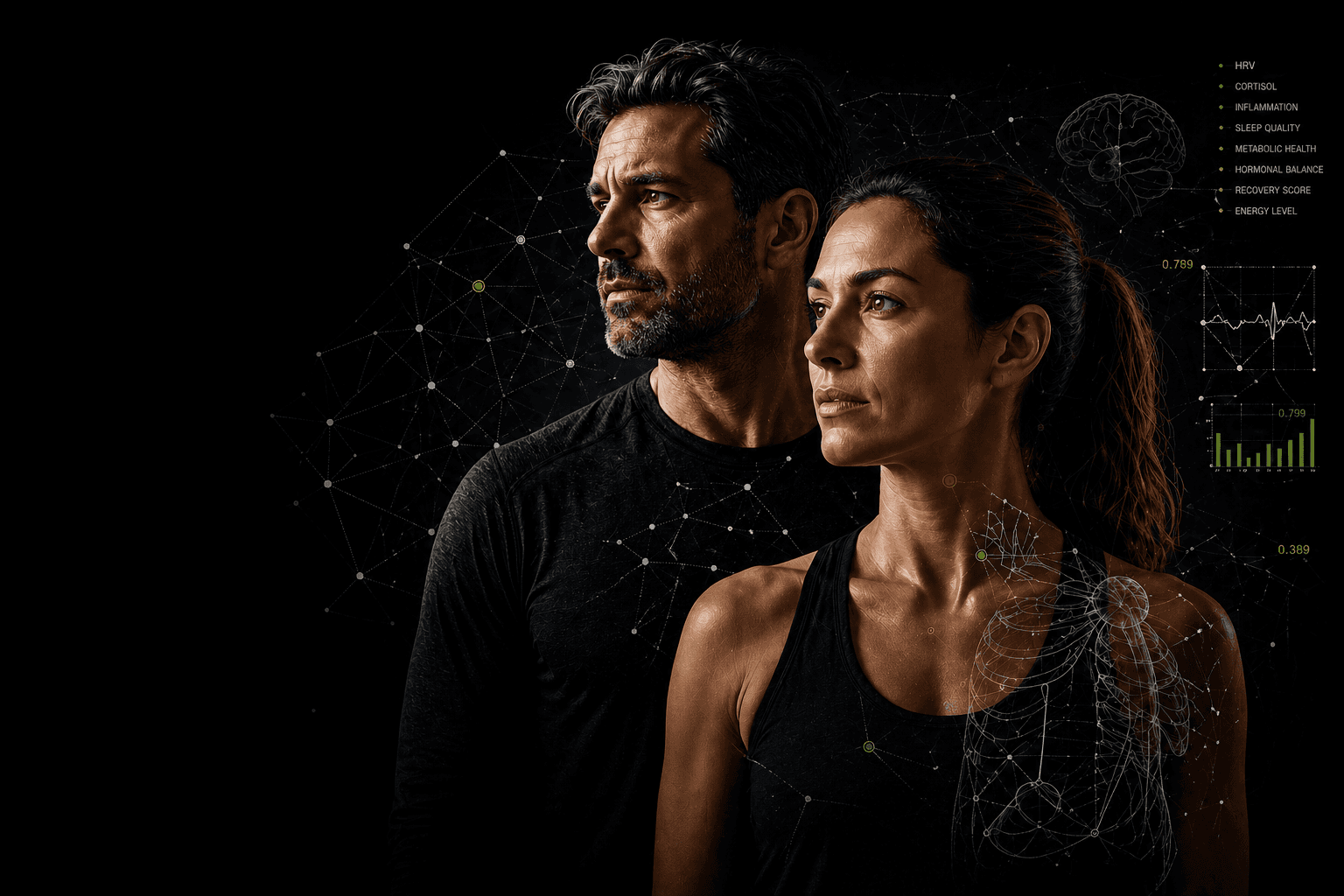
Human Performance Is a System.
Most people treat symptoms. Systems fix causes.

Body Signals vs Baseline — boundaries that keep data clean
A precise split: Baseline establishes context; Body Signals deepen characterization. Mixing the two creates confusion downstream.
Entity intake — medications, supplements, and what touches the system
Entities are external inputs that change state. Capturing them cleanly prevents false confidence in downstream recommendations.
Low energy that does not match your effort
Fatigue often tracks upstream capacity — not laziness. Here is how Re:Formd frames it before you chase another stimulant.
Performance pathways — why order matters
Symptoms cluster downstream. Repair sequence follows upstream logic — the same discipline Re:Formd encodes in pathways and protocols.
Wearables, strain scores, and the recovery gap
Consumer metrics are useful — when you know what they are not measuring. A trend we watch: over-trusting a single score.
Deep knowledge
In-app Knowledge Library
The catalog spine lives inside the product — Intelligence explains how to think with the system before you ever touch catalog surfaces.
Join Early Access →Continue in the system
Health Discovery is where Re:Formd starts. The book supports belief; the waitlist is for launch updates only.
Search
Find a brief
Filter across all Intelligence MDX by title, topic, and tags.
- Deep diveBody Signals vs Baseline — boundaries that keep data clean
A precise split: Baseline establishes context; Body Signals deepen characterization. Mixing the two creates confusion downstream.
- TopicEntity intake — medications, supplements, and what touches the system
Entities are external inputs that change state. Capturing them cleanly prevents false confidence in downstream recommendations.
- Deep diveHuman Performance Is a System.
Most people treat symptoms. Systems fix causes.
- SymptomLow energy that does not match your effort
Fatigue often tracks upstream capacity — not laziness. Here is how Re:Formd frames it before you chase another stimulant.
- TopicPerformance pathways — why order matters
Symptoms cluster downstream. Repair sequence follows upstream logic — the same discipline Re:Formd encodes in pathways and protocols.
- TrendWearables, strain scores, and the recovery gap
Consumer metrics are useful — when you know what they are not measuring. A trend we watch: over-trusting a single score.